Why Your AC Keeps Freezing Up in the Texas Heat
Why Your AC Keeps Freezing Up in the Texas Heat
It may seem strange, but one of the most common air conditioning problems during a Texas summer is a frozen AC unit. When temperatures climb into the 90s and beyond, many homeowners assume their system is working overtime because of the heat. While that's partly true, ice forming on your air conditioner is actually a sign that something isn't working correctly.
If you've noticed ice on your indoor or outdoor unit, reduced airflow, or warm air coming from your vents, it's important to address the issue quickly. Ignoring a frozen air conditioner can lead to more expensive repairs and leave your home without reliable cooling when you need it most.
Why Does an Air Conditioner Freeze?
Your air conditioning system removes heat from your home using refrigerant that flows through the evaporator coil. For the system to work properly, warm air must continuously move across the coil. When airflow is restricted or the refrigerant level isn't correct, the coil can become too cold, causing moisture in the air to freeze instead of condense.
Once ice begins forming, the problem often gets worse. The ice blocks airflow even more, allowing additional ice to build up until your system can no longer cool your home effectively.
Common Reasons Your AC Is Freezing Up
Dirty Air Filter
One of the simplest—and most common—causes of a frozen air conditioner is a clogged air filter. A dirty filter restricts airflow throughout your HVAC system, preventing enough warm air from passing over the evaporator coil. Without adequate airflow, the coil temperature drops below freezing.
Replacing your air filter every one to three months can help prevent this issue while improving indoor air quality and system efficiency.
Low Refrigerant Levels
If your air conditioner is low on refrigerant due to a leak, the pressure inside the system changes, causing the evaporator coil to become excessively cold.
Signs of low refrigerant include:
- Ice on refrigerant lines
- Hissing or bubbling sounds
- Warm air from vents
- Longer cooling cycles
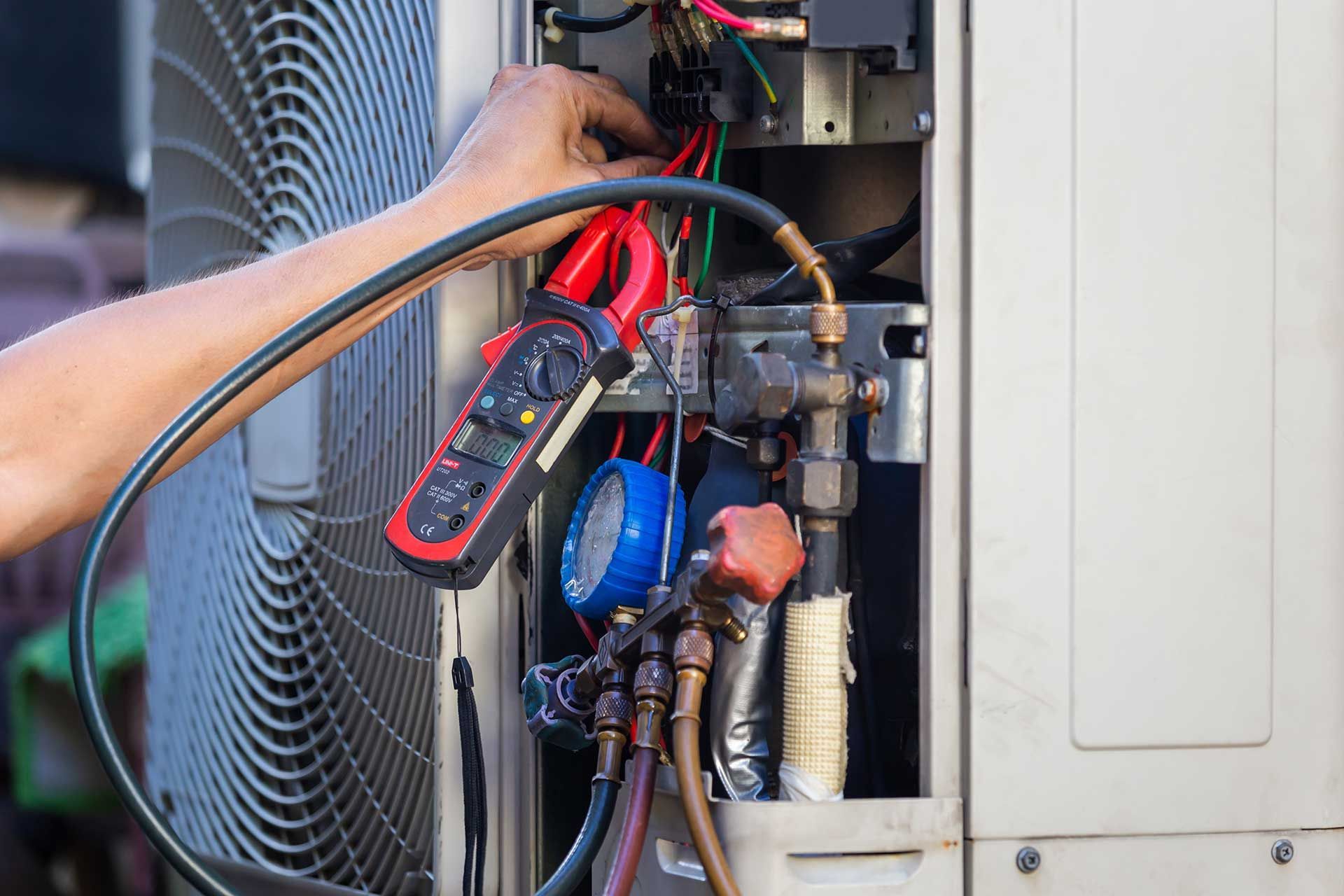
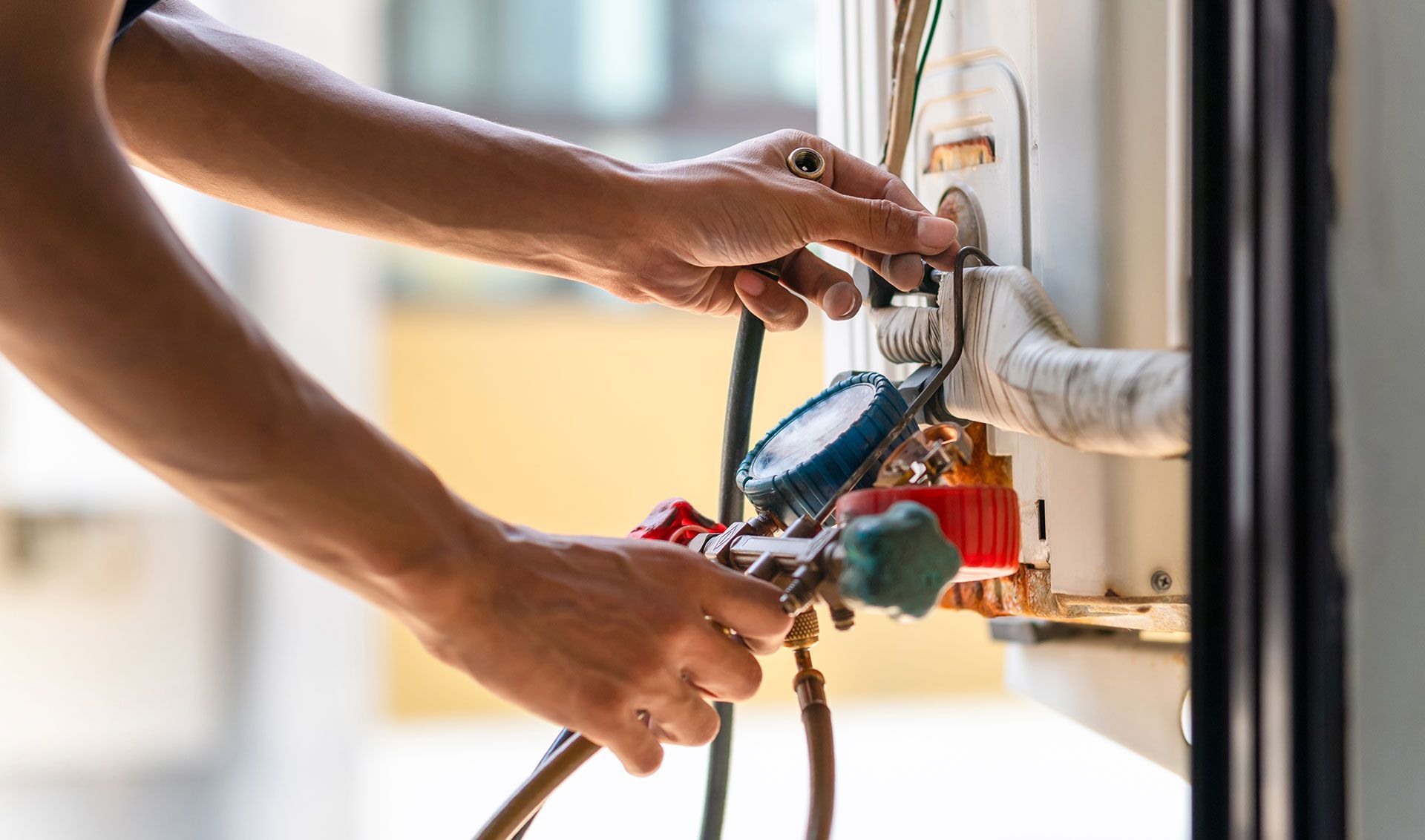
Because refrigerant issues require specialized equipment and EPA-certified handling, this repair should always be performed by a licensed HVAC professional.
Blocked or Closed Air Vents
Closing supply vents in unused rooms may seem like an easy way to save energy, but it can actually reduce airflow enough to cause your AC to freeze.
Furniture, curtains, rugs, and other household items can also block vents, preventing proper air circulation throughout your home.
Walk through your home and make sure all vents remain open and unobstructed.
Dirty Evaporator Coils
Over time, dust and debris can accumulate on the evaporator coil, creating an insulating layer that reduces heat transfer.
This buildup makes it harder for the coil to absorb heat from your home, increasing the likelihood of freezing.
Routine HVAC maintenance includes cleaning critical components like the evaporator coil to keep your system operating efficiently.
Mechanical Problems
Sometimes, frozen coils are caused by failing components inside the HVAC system, including:
- Blower motor issues
- Faulty fan motors
- Damaged thermostats
- Electrical problems
These issues require professional diagnostics and repair to prevent additional damage.
What Should You Do If Your AC Freezes?
If you notice ice on your air conditioner, avoid continuing to run the system.
Instead:
- Turn your thermostat from Cool to Off.
- Switch the fan setting to On to help melt the ice.
- Replace your air filter if it's dirty.
- Check that all supply and return vents are open.
- Once the ice has melted completely, restart the system.
If the unit freezes again, it's time to schedule professional AC repair. Continuing to operate a frozen system can damage the compressor—one of the most expensive components to replace.
How to Prevent Your AC From Freezing
Preventative maintenance is the best way to avoid unexpected breakdowns during the hottest months of the year.
Homeowners can reduce the risk of frozen coils by:
- Replacing air filters regularly
- Keeping vents open and unobstructed
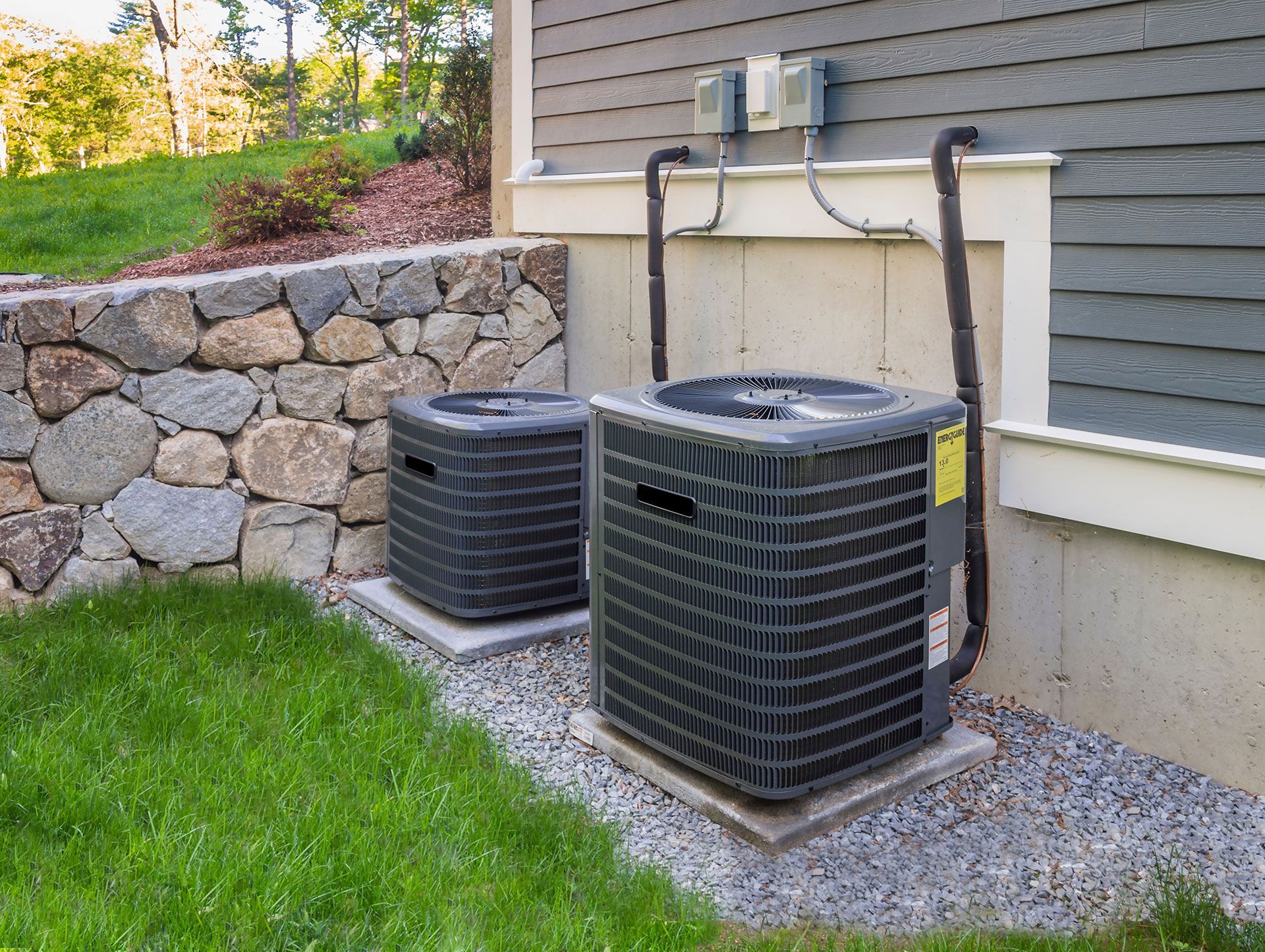
- Clearing debris around the outdoor condenser unit
- Scheduling annual AC maintenance
- Addressing small performance issues before they become major repairs
A seasonal inspection allows an experienced technician to identify refrigerant leaks, dirty coils, worn components, and airflow restrictions before they lead to system failure.
When to Call Prime Time Heating & Air
While changing your air filter is a simple DIY task, most causes of a frozen AC require professional diagnosis.
If your system continues freezing, isn't cooling your home properly, or you're noticing higher energy bills, it's time to have your HVAC system inspected.
At Prime Time Heating & Air, our experienced technicians provide fast, reliable AC repair and HVAC services throughout North Texas. Whether your system needs refrigerant service, coil cleaning, airflow improvements, or a complete repair, we'll identify the problem and recommend the most cost-effective solution.
Our goal is to restore your comfort quickly so you can stay cool—even during the hottest Texas summers.
Schedule Professional AC Repair Today!
A frozen air conditioner is more than an inconvenience—it can be an early warning sign of a larger HVAC problem. Addressing the issue quickly can help prevent costly repairs, improve energy efficiency, and extend the life of your cooling system.
If your AC keeps freezing up or isn't keeping your home comfortable, don't wait for the problem to get worse.
Contact Prime Time Heating & Air today to schedule professional
AC repair or HVAC service. Our team is proud to help homeowners throughout the Fort Worth metro area stay comfortable with dependable
AC maintenance they can trust.