The Ultimate Spring HVAC Maintenance Checklist
The Ultimate Spring HVAC Maintenance Checklist
Spring is the perfect time to make sure your HVAC system is ready for the warmer months ahead. After working hard all winter to keep your home comfortable, your heating and cooling system may need a little attention before summer temperatures arrive. Seasonal maintenance helps ensure your system runs efficiently when you need it most.
Taking a proactive approach now can help prevent unexpected breakdowns, reduce energy costs, and extend the lifespan of your HVAC equipment. Even simple maintenance steps can make a noticeable difference in performance and reliability throughout the cooling season.
In this guide, we’ll walk through a straightforward spring HVAC maintenance checklist that homeowners can follow to keep their systems running smoothly. And when professional service is needed, Prime Time Heating & Air is a trusted provider homeowners rely on for expert HVAC maintenance and support.
Why Spring HVAC Maintenance Is Important
Seasonal HVAC maintenance is essential in Texas, where air conditioning systems work especially hard during long, hot summers. When your AC runs for extended periods, small issues like dirty filters, worn components, or restricted airflow can quickly turn into larger, more expensive repairs. Routine maintenance helps catch these problems early while improving system efficiency and airflow, allowing your unit to cool your home more effectively and maintain consistent indoor comfort.
Scheduling a spring tune-up is one of the best ways to prepare for the intense summer heat. A professional inspection ensures your system is operating properly before peak temperatures arrive, helping prevent inconvenient mid-summer AC failures and keeping your home cool when you need it most.
Your Spring HVAC Maintenance Checklist
Step-by-Step Guide to Preparing Your AC for Summer
Getting your air conditioning system ready before the hottest months arrive can improve efficiency, prevent breakdowns, and keep your home comfortable. Follow these simple steps to make sure your HVAC system is prepared for the season.
Step 1: Replace or Clean Your Air Filter
One of the easiest and most important maintenance tasks is checking your air filter.
A dirty or clogged filter restricts airflow, forcing your system to work harder and reducing its overall efficiency. Replacing or cleaning the filter helps maintain proper airflow and supports better indoor air quality. Most HVAC filters should be replaced every 1–3 months, depending on usage, pets, and household conditions.
Step 2: Inspect Air Vents and Ductwork
Take a walk through your home and check all supply and return vents.
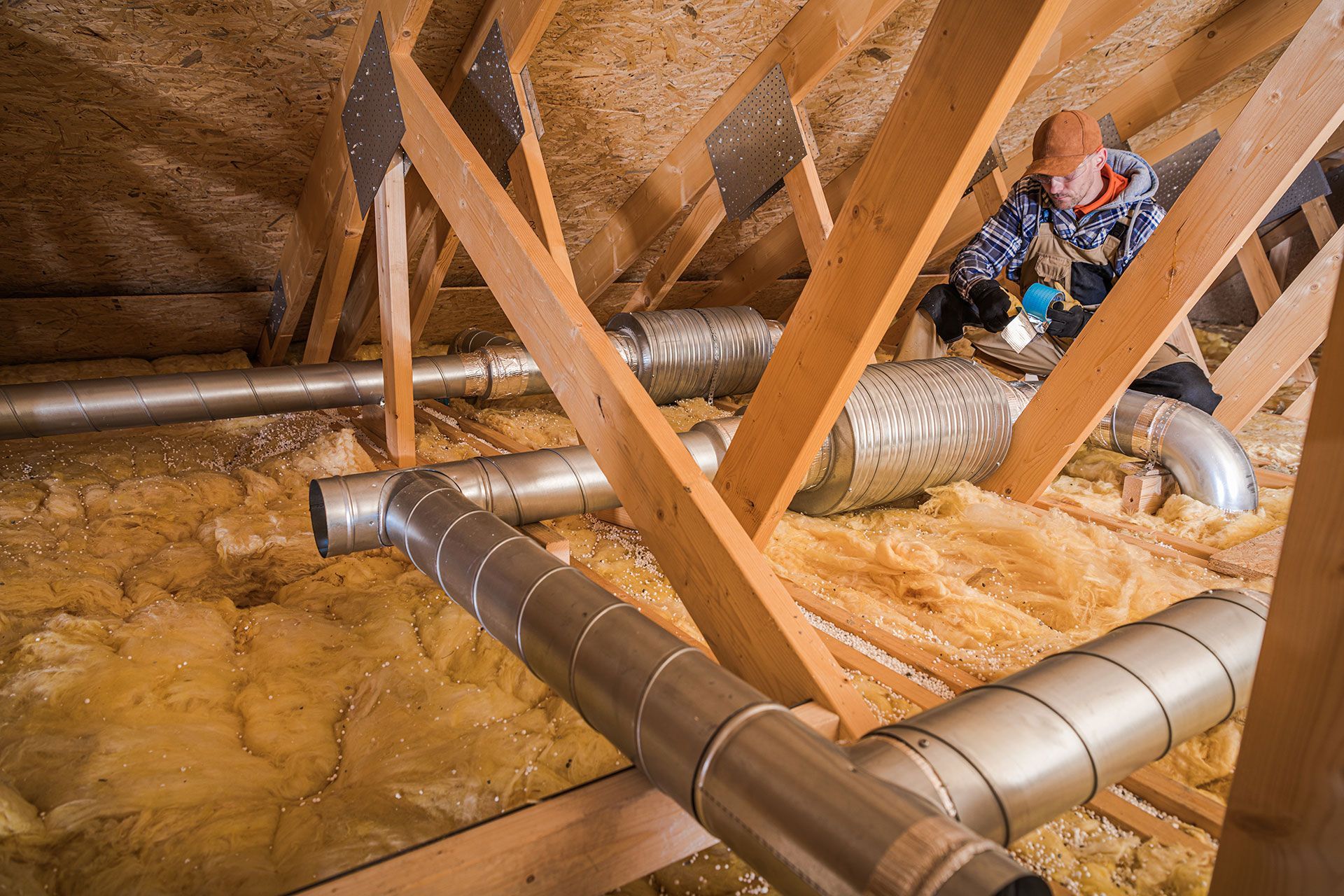
Make sure vents are not blocked by furniture, rugs, or household items, as this can restrict airflow and reduce cooling performance. While inspecting, look for excessive dust buildup around vents, which may indicate that duct cleaning could be beneficial. Proper airflow is essential for your HVAC system to operate efficiently.
Step 3: Clean Around Your Outdoor Unit
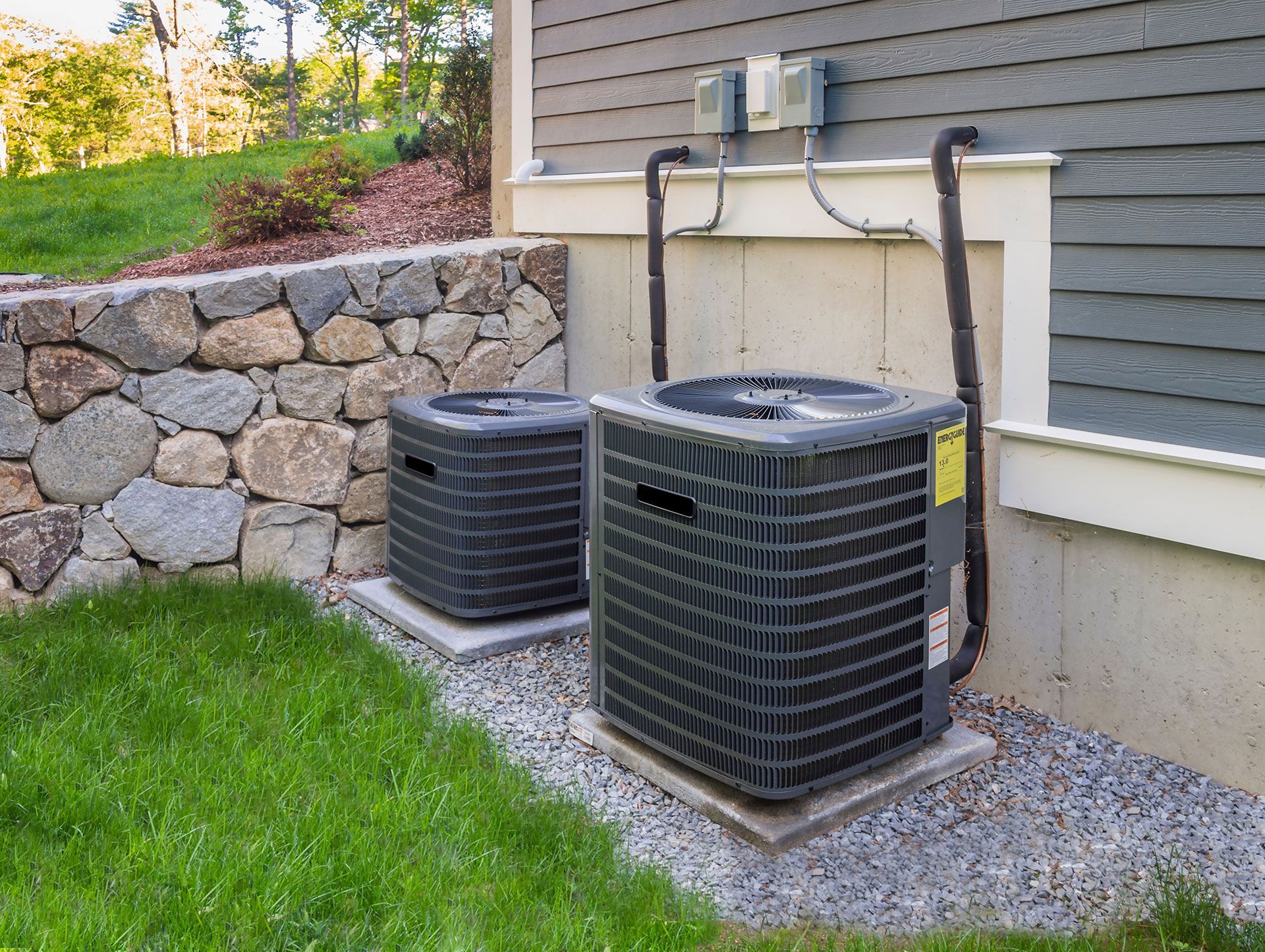
Your outdoor condenser unit needs plenty of space to function properly.
Remove leaves, dirt, grass clippings, and other debris that may have accumulated around the unit. It’s recommended to maintain at least two feet of clearance on all sides to allow proper airflow. Keeping the condenser clean helps your system release heat more efficiently and improves cooling performance.
Step 4: Test Your Thermostat
Before temperatures rise, test your thermostat to make sure it’s working correctly.
Switch the system to cooling mode and confirm that it activates as expected. Check that the temperature reading appears accurate and responds when adjustments are made. If your thermostat is older, this may also be a good time to upgrade to a programmable or smart thermostat, which can improve energy efficiency and provide more convenient temperature control.
Step 5: Inspect Refrigerant Lines and Connections
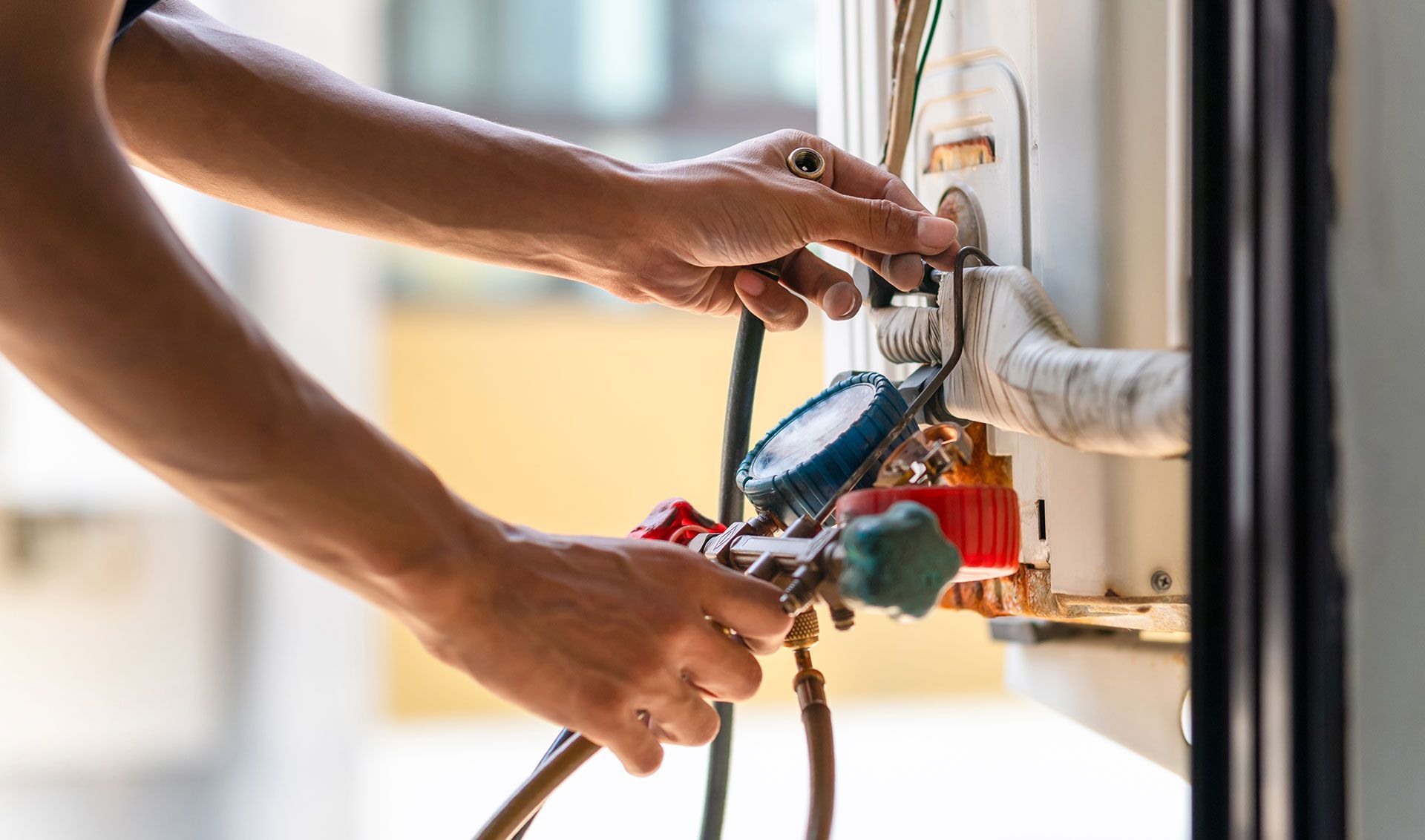
Take a quick look at the refrigerant lines running between your indoor and outdoor units.
Check for visible damage, wear, or insulation issues along the lines. Low refrigerant levels can significantly affect your system’s ability to cool your home. Because refrigerant handling requires specialized equipment and certification, any suspected refrigerant issues should be handled by a professional HVAC technician.
Step 6: Schedule a Professional HVAC Tune-Up
Even if everything appears to be working properly, scheduling a professional maintenance visit is the best way to ensure your system is fully prepared for summer.
During a tune-up, an HVAC technician will typically perform:
- System performance testing
- Coil cleaning
- Electrical component inspection
- Airflow checks
Professional maintenance helps identify small issues before they become costly repairs and ensures your air conditioning system runs efficiently throughout the season.
Signs Your HVAC System May Need Service
Your HVAC system helps keep your home comfortable year-round, but problems can develop over time. Recognizing early warning signs can help you schedule service before a small issue becomes a costly repair.
Weak Airflow
If the air coming from your vents feels weak, your system may have a clogged filter, duct issue, or blower problem that needs attention.
Warm Air from Vents
When your AC is running, warm air coming from the vents could indicate refrigerant issues, thermostat problems, or a failing component.
Unusual Noises or Odors
Grinding, banging, or rattling sounds — as well as strange smells — may signal mechanical problems, loose parts, or buildup in the system.
Rising Energy Bills
A sudden increase in energy costs may mean your HVAC system is working harder than it should due to inefficiency or wear.
Uneven Temperatures
If some rooms feel much hotter or colder than others, your system may not be distributing air properly.
If you notice any of these signs, it may be time to schedule HVAC maintenance or repair to keep your system running efficiently.
Benefits of Spring HVAC Maintenance
Spring is the perfect time to prepare your HVAC system for the warmer months ahead. Routine maintenance helps your system run efficiently, improves home comfort, and can prevent costly issues during peak cooling season.
Lower Energy Bills
A properly maintained HVAC system runs more efficiently and uses less energy. Cleaning components and checking system performance helps reduce the amount of electricity needed to cool your home.
Better Cooling Performance
Spring maintenance helps ensure consistent airflow and reliable temperature control. This keeps your home comfortable and prevents uneven cooling as temperatures rise.
Fewer Emergency Repairs
Preventative maintenance allows technicians to catch small issues early before they turn into costly breakdowns during the hottest days of the year.
Longer HVAC Lifespan
Routine service reduces wear and tear on your system, helping it last longer and delaying the need for expensive replacements.
How Professional HVAC Services Help
Professional HVAC services go far beyond basic DIY maintenance tasks like replacing air filters or clearing debris around the outdoor unit. While simple upkeep can help keep your system running, a trained technician has the tools, experience, and knowledge to evaluate the entire HVAC system and address issues that may not be visible to the average homeowner.
One of the biggest advantages of professional service is a thorough inspection of the entire system. During a maintenance visit, technicians check key components such as coils, motors, electrical connections, refrigerant levels, thermostat performance, and airflow. This comprehensive approach helps identify minor problems before they turn into expensive repairs or system failures.
Professional technicians also provide expert diagnostics and repairs. HVAC systems are complex, and unusual noises, uneven cooling, or poor airflow can stem from multiple causes. A trained professional can accurately pinpoint the issue and recommend the right solution, saving homeowners time and avoiding guesswork.
Contact Us Today to Request a Service!
As temperatures begin to rise, spring is the ideal time to make sure your HVAC system is ready for the demands of summer. After months of limited use during the cooler season, your air conditioning system may need a professional inspection to ensure it’s operating efficiently. A spring tune-up allows technicians to clean components, check refrigerant levels, inspect electrical connections, and identify minor issues before they turn into expensive repairs during the hottest months of the year.
Routine maintenance not only helps prevent unexpected breakdowns but also improves energy efficiency and extends the lifespan of your system. When your HVAC unit runs efficiently, it keeps your home comfortable while helping to lower energy costs throughout the summer.
If you're preparing your home for warmer weather, scheduling a spring HVAC maintenance visit can help prevent costly repairs later. Contact Prime Time Heating & Air today to schedule professional HVAC services and ensure your system is ready for the Texas summer.